Ecodesign starts before the first sketch.
We choose materials, construction and production methods with the whole product life in mind. We have taken 205 products to market, and we design each one to be made, used and developed for longer.
Let’s talk about your productWe judge every design decision by the value it adds.
Ecodesign is part of value.design, the way we work. The three projects below show it in practice.
The product is clear, comfortable and safe to use.
The product can be manufactured, sold and developed.
The product lasts, and its material is chosen with care.
Design decisions made visible.
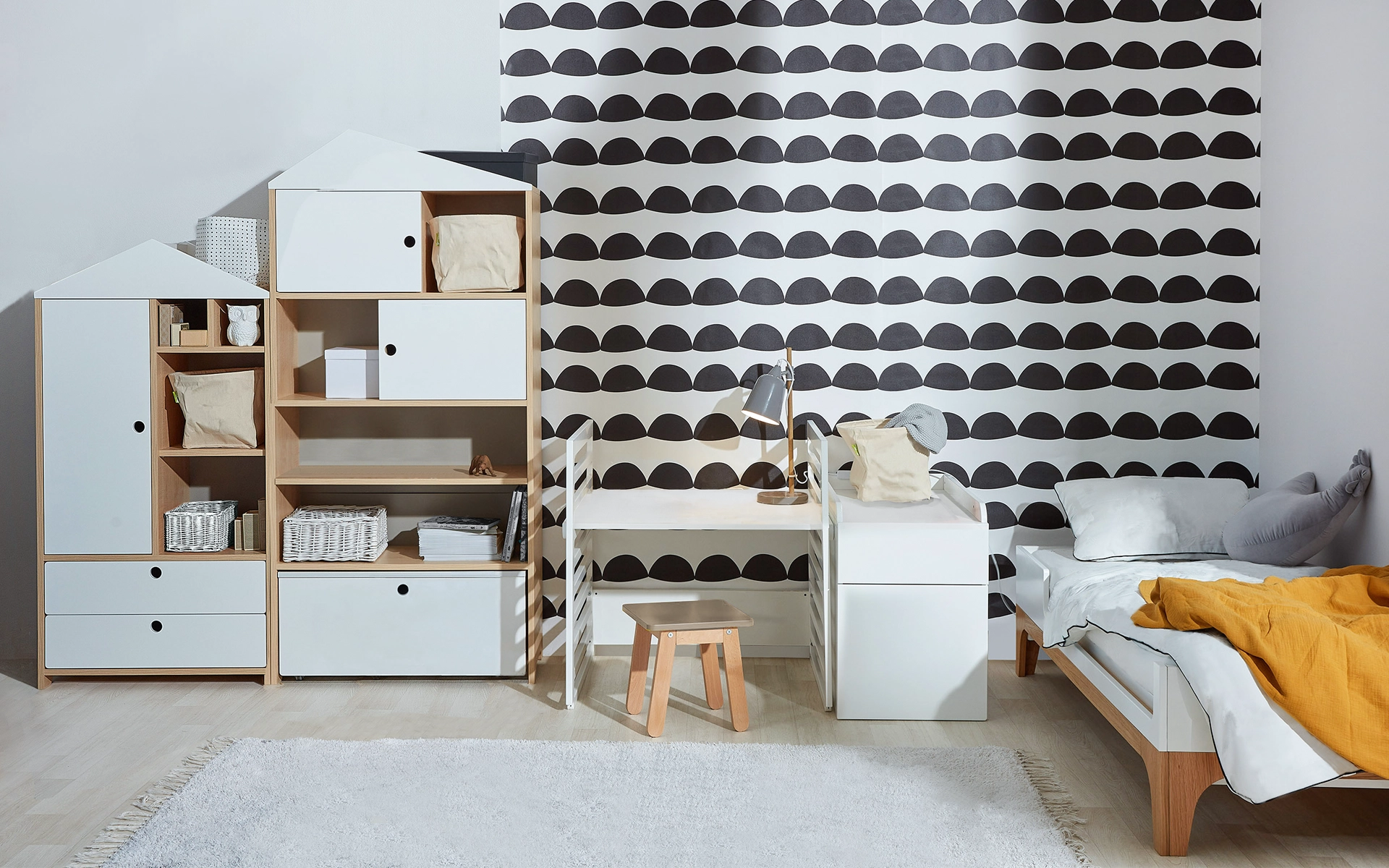
Furniture that grows with the child.
Children outgrow their furniture within a few years.
A modular collection for Bellamy: the bed can be extended or raised, the desk and shelving can be reconfigured.
The same furniture follows the child’s changing needs instead of being replaced.
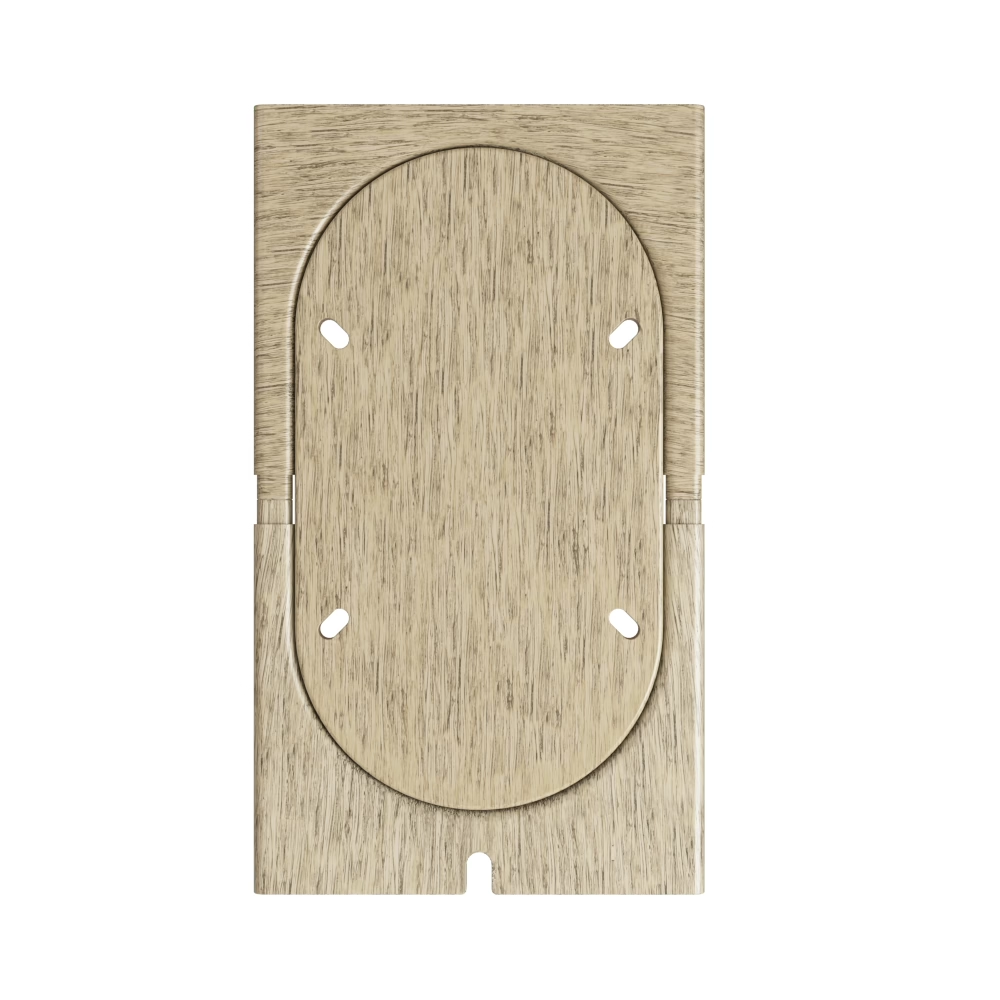
The cutting layout defines the form.
Cutting furniture parts from sheet material usually leaves offcuts.
We designed the HempBean coffee table as a flat-pack puzzle cut from a single sheet of Strumber®.
The components use almost the entire sheet, which minimises production offcuts.
Start with the material.
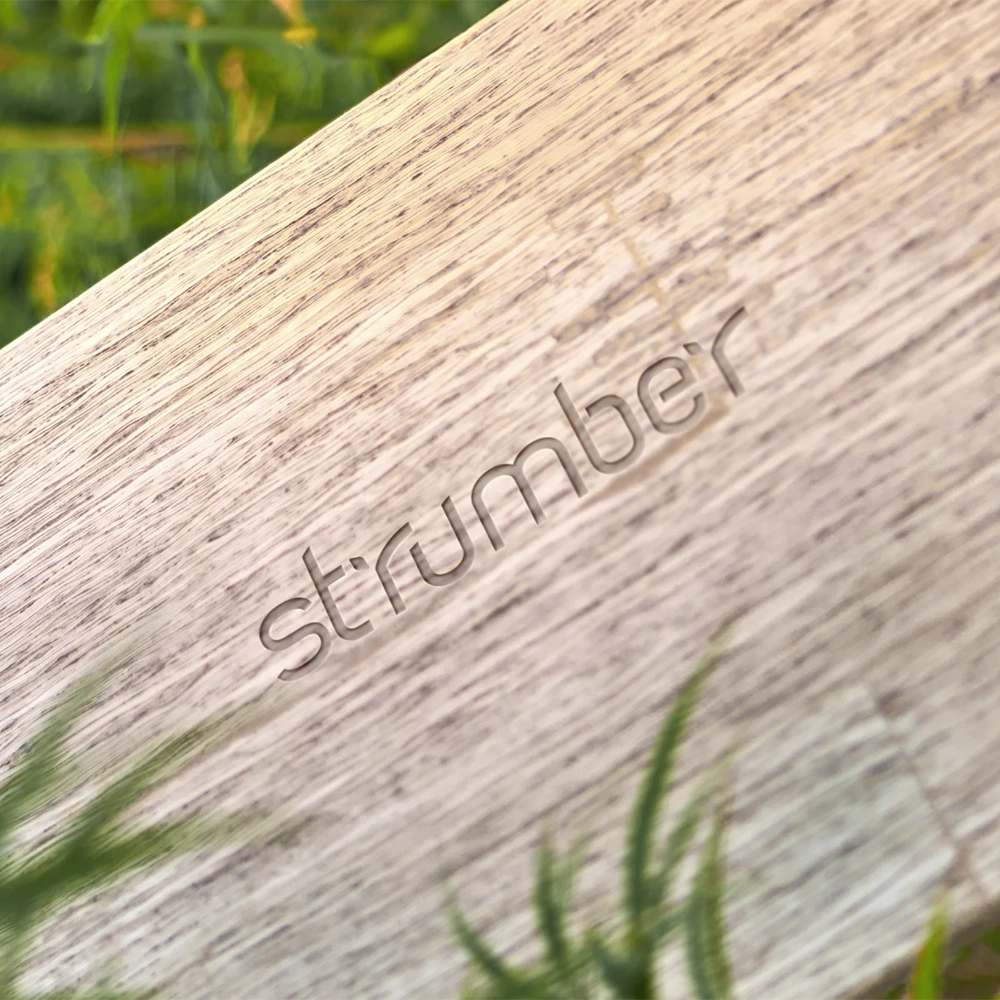
A wood alternative made from hemp and flax.
Furniture producers are looking for alternatives to wood-based boards.
Together with Green Lanes, we helped develop Strumber®, a board made from annual crops. We test how it works in products through research, prototyping and design.
The producer reports a negative carbon footprint for Strumber Hemp production.
Every product needs a different approach.
Function, materials, manufacturing and market decide which requirements apply and what has to be verified.
From design decisions to documented value.
We help businesses identify the requirements that apply, organise product and material data, and coordinate research, testing and documentation. We also look at design decisions that influence Scope 3 emissions: sourcing, manufacturing, transport, use and end of life. Where specialist assessments or declarations are needed, we work with qualified partners.
- 01Understand
We map the product, its materials and the requirements that apply.
- 02Design
We choose materials, construction and production for the whole life cycle.
- 03Verify
We build prototypes and coordinate tests with qualified partners.
- 04Document
We organise product and material data for declarations and assessments.
- 05Implement
We prepare production and support the product launch.
New regulations. Better design decisions.
A framework for product durability, repairability and resource efficiency. Detailed requirements vary by product group.
Requirements for packaging design, waste prevention and recyclability, introduced in stages.
Specified product information, introduced according to the rules for each product group.
Indirect greenhouse gas emissions across a company’s value chain. We identify design opportunities and organise data for emissions assessments.
Sources: Regulation (EU) 2024/1781 (ESPR), Regulation (EU) 2025/40 (PPWR), GHG Protocol Corporate Value Chain (Scope 3) Standard.
